



Figure 1 · Overall 3D view of DMR reactor
DMR Core Performance
Quantifiable advantages that redefine reaction efficiency
Technical Background
Conventional tubular reactors suffer from insufficient mixing and low heat transfer efficiency. DMR delivers systematic innovation across agitation structure, flow channel design, and heat exchange methodology.
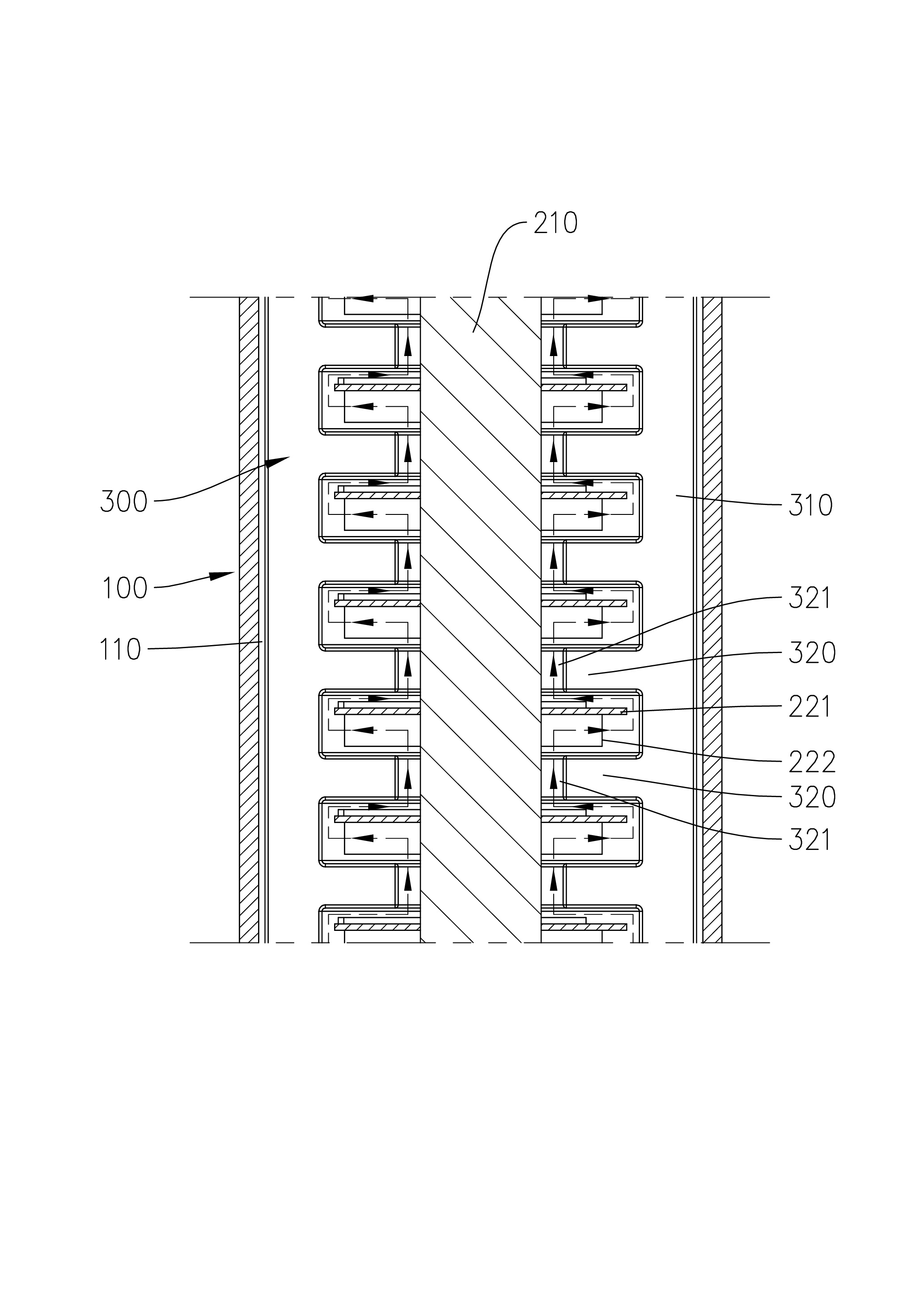
In conventional reactors, materials typically flow straight through with a single agitation mode and limited heat exchange area. DMR combines baffle discs with agitation ribs and flow guidance structures to direct material along an S-shaped tortuous path. Each stage delivers forced mixing, resulting in a narrower residence time distribution and more complete reactions.
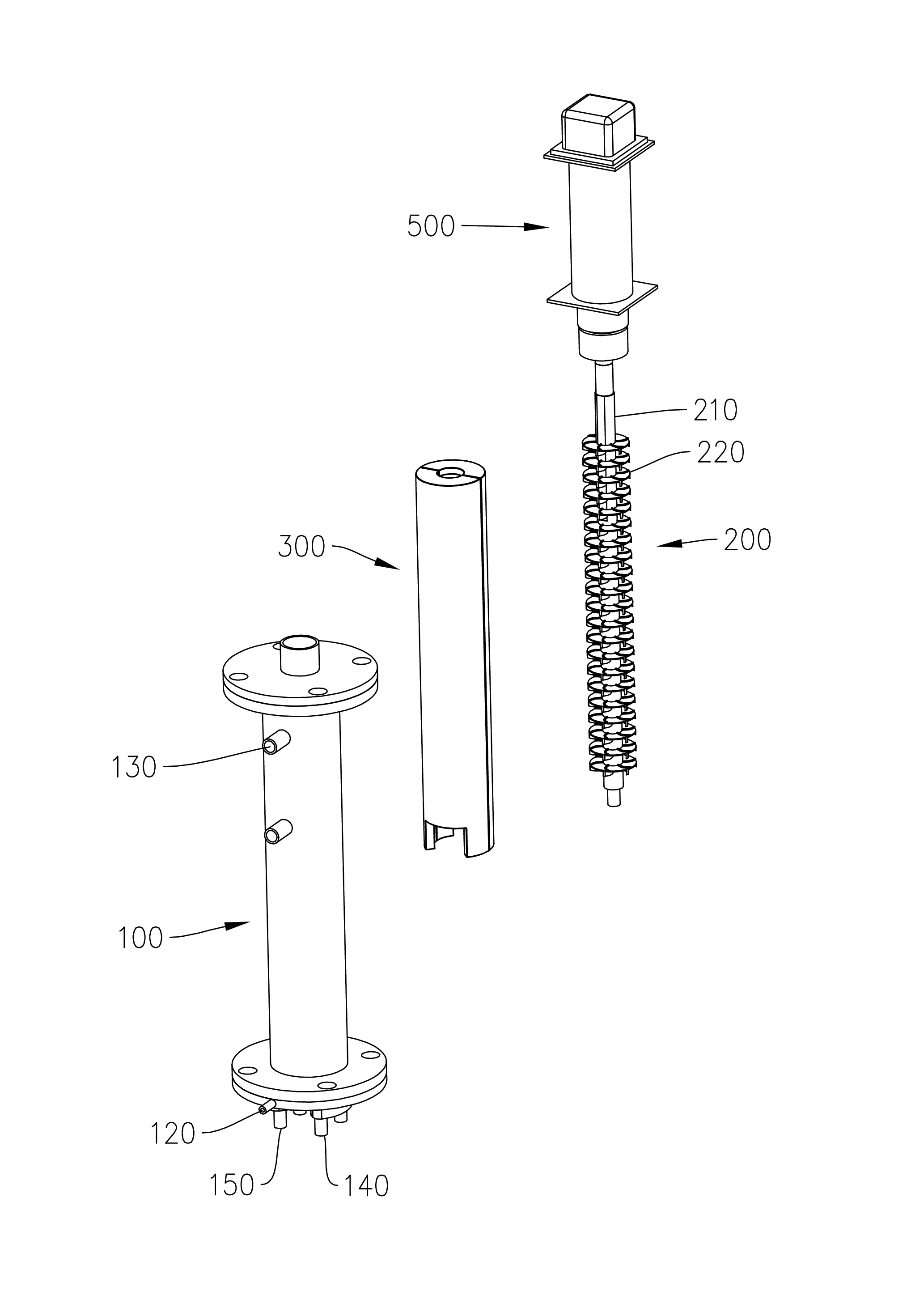
Figure 2 · Exploded structure view
Core Technologies
Four innovations building a high-efficiency reaction system
Forced Tortuous Flow Channel
Flow guidance structures direct material along an S-shaped path, eliminating short-circuiting and dead zones.
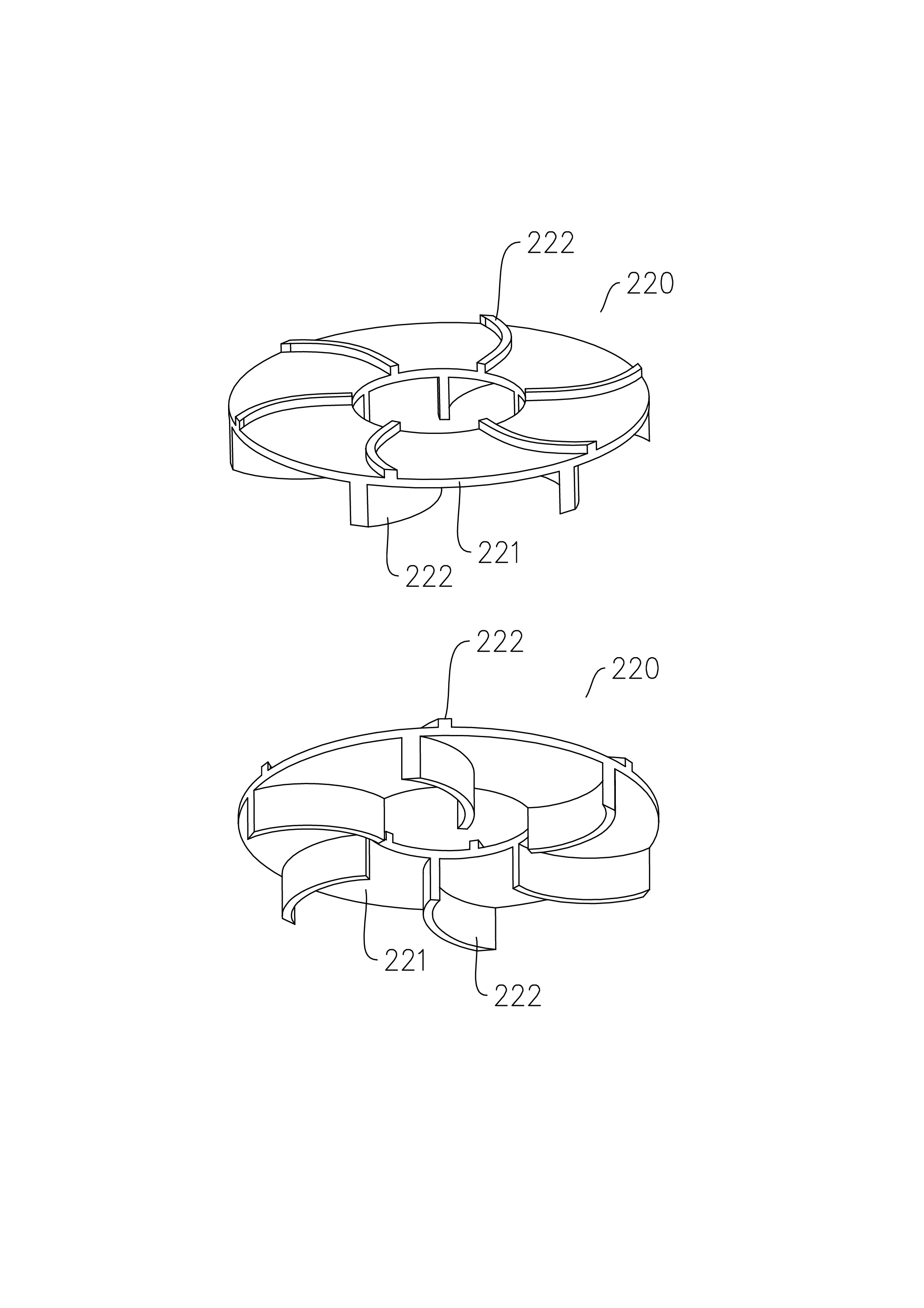
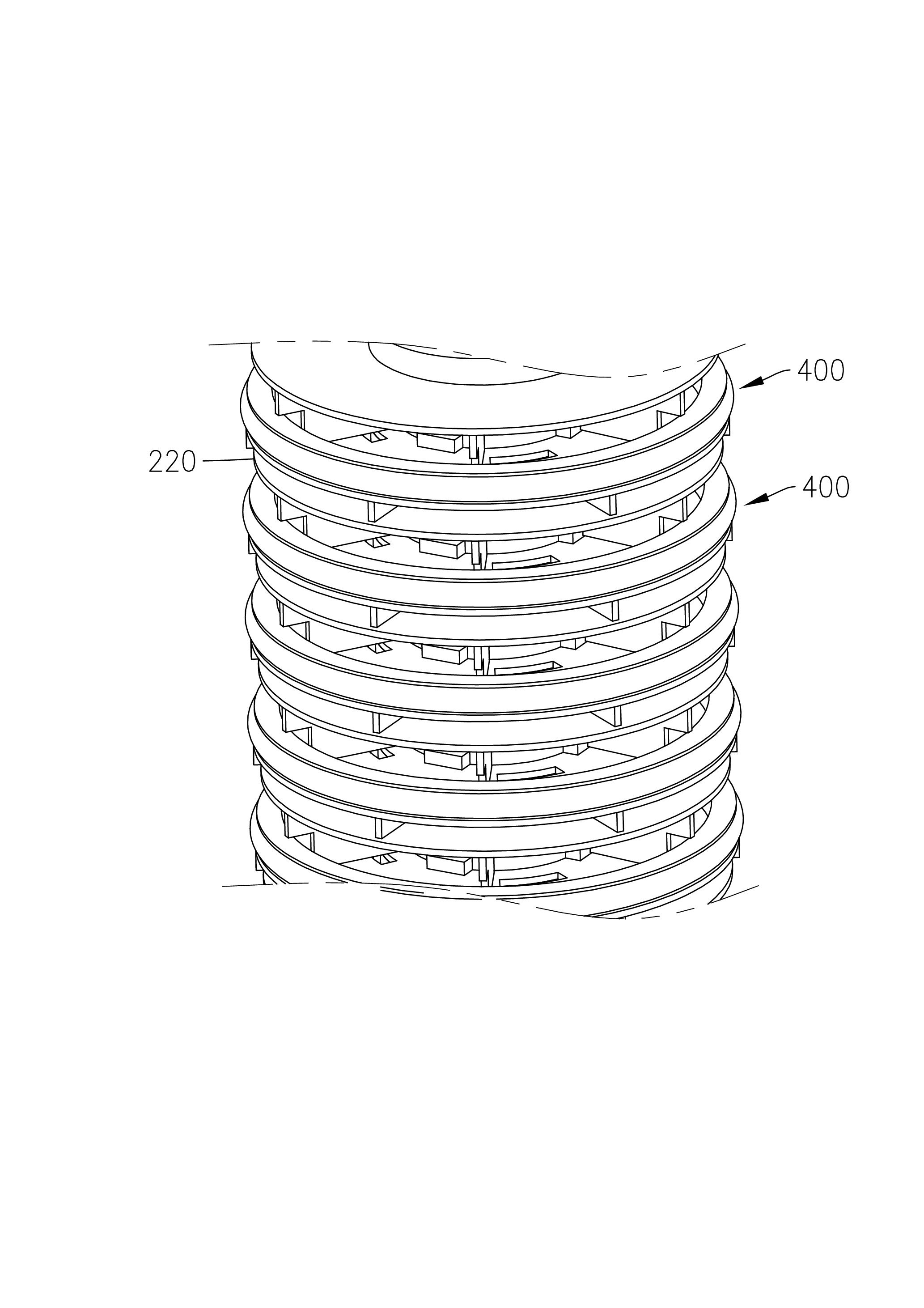
Baffle Disc + Agitation Rib Assembly
Radially extending baffle discs with curved ribs deliver high-intensity shear mixing during rotation.
Integrated Heat Exchange & Flow Guidance
Split-shell assembled heat exchange unit performs both thermal exchange and flow guidance with large surface area.
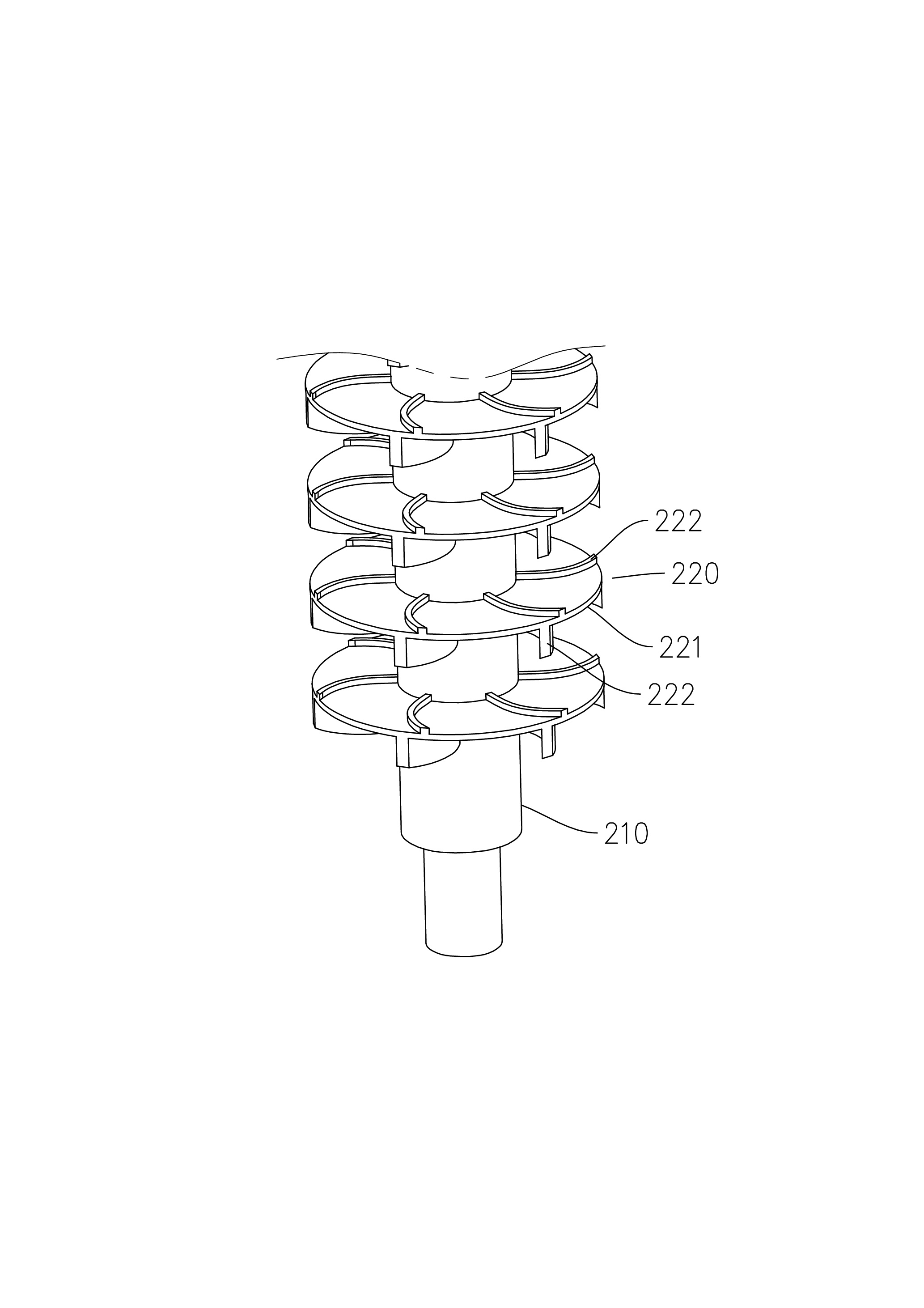
Self-Adaptive Scraping Cleaning
Elastic scraping structures on agitators automatically remove adhered material and prevent coking.
Performance Comparison
Comprehensive improvements across key metrics, delivering a reliable solution for highly exothermic, fast reactions (Click rows for highlight feedback)
| 📋 Metric | Conventional Tubular Reactor | ⭐ DMR High-Efficiency Dynamic Microreactor |
|---|---|---|
| Mixing Mechanism | Simple agitation / No agitation | Forced S-shaped tortuous path + dynamic agitation |
| Heat Transfer Efficiency | Low (limited heat exchange area) | High (baffle discs immersed internally, large surface area) |
| Residence Time Distribution | Broad, with short-circuiting and dead zones | Narrow, uniformly distributed |
| Anti-Fouling Capability | None | Self-adaptive scraping cleaning |
| Suitable Reaction Types | Slow reactions, low exothermicity | Fast reactions, highly exothermic |
Intellectual Property
Granted national invention patent and utility model patent. Click cards to preview or download full patent documents (PDF)
* Additional patents pending
Application Fields
Widely applied in fine chemicals, pharmaceuticals, advanced materials and other industries


